Silver Mining: A Comprehensive Overview
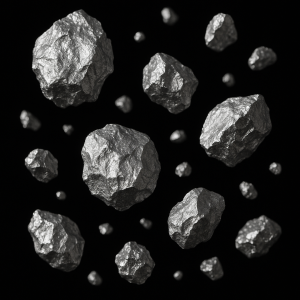
Silver mining refers to the extraction of silver from the Earth’s crust through various mining methods. As one of the earliest metals to be discovered and used by humans, silver has played a vital role throughout history — from currency and jewelry to industrial and technological applications.
1. History of Silver Mining
Silver has been mined since ancient times. Some of the earliest known silver mines were located in Anatolia (modern-day Turkey) around 3000 BCE. The ancient Greeks and Romans also extensively mined silver, especially from the Laurium mines near Athens.
During the Spanish colonization of the Americas, silver mining reached unprecedented levels. Massive silver deposits were discovered in places like Potosí (modern-day Bolivia), Zacatecas (Mexico), and Peru. This led to Spain becoming one of the richest empires in history, driven largely by the wealth extracted from the New World.
2. Geology of Silver Deposits
Silver is commonly found in the Earth’s crust, either as a native element or more commonly as a compound with other elements. Most silver is extracted from ore bodies containing silver-bearing minerals such as:
- Argentite (Ag₂S)
- Galena (PbS) – often contains silver as a byproduct
- Tetrahedrite
- Pyrargyrite and proustite (dark red silver minerals)
Silver is often found in association with other metals like gold, lead, zinc, and copper, making it a byproduct in many polymetallic mining operations.
3. Methods of Silver Mining
Silver is mined through various techniques depending on the nature of the deposit:
a. Open-pit Mining
Used when silver ore bodies are close to the surface. Large amounts of rock are excavated, crushed, and processed.
b. Underground Mining
Used for deeper ore bodies. Tunnels and shafts are dug to reach the silver veins.
c. Byproduct Mining
Most silver today is produced as a byproduct of mining other metals, especially copper, lead, and zinc.
4. Silver Ore Processing
After mining, the ore undergoes several processes to extract pure silver:
- Crushing and grinding: Reduces the ore to fine particles.
- Flotation: Used to concentrate the silver-containing minerals.
- Smelting: Extracts silver using high temperatures and chemicals.
- Leaching (Cyanidation): A common method where cyanide is used to dissolve and extract silver from the ore.
5. Major Silver-Producing Countries
According to recent data, the top producers of silver include:
- Mexico – the world’s largest silver producer.
- Peru
- China
- Russia
- Poland
- Australia
- Chile
6. Environmental Impact
Silver mining, like all forms of mining, has environmental consequences. These include:
- Land degradation and habitat destruction
- Water pollution due to cyanide and other chemicals
- Tailings (mine waste) that may contain toxic elements
Many modern silver mining operations now incorporate more sustainable practices, including recycling water, reducing emissions, and rehabilitating mining sites after closure.
7. Uses of Silver
Silver’s unique properties — high conductivity, reflectivity, and antimicrobial characteristics — make it valuable for:
- Jewelry and Silverware
- Electronics and solar panels
- Medical equipment and antimicrobial coatings
- Photography (historically)
- Investment (coins and bullion)
8. The Future of Silver Mining
The future of silver mining is shaped by increasing industrial demand, particularly for renewable energy technologies like solar panels. At the same time, advances in recycling and resource efficiency may reduce the need for virgin silver. Exploration continues for new deposits, including underexplored regions and deeper mineralized zones.
Technological innovation in mining equipment and environmental protection is also reshaping the industry, making silver mining cleaner and more cost-effective.