The Timeless Elegance of Gold Pearls: A Complete Guide
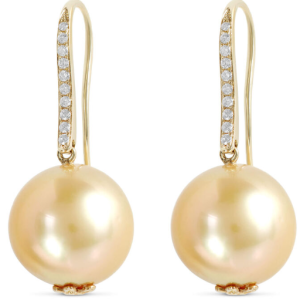
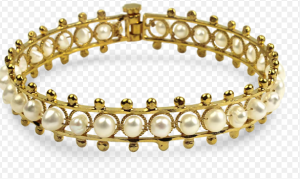
Gold pearls are among the most luxurious and sought-after gems in the world of fine jewelry. Renowned for their warm, radiant luster and rich hues, these pearls represent elegance, rarity, and natural beauty. Whether set in high-end jewelry or collected by connoisseurs, gold pearls are treasures of the sea that combine nature’s artistry with human craftsmanship. This article explores everything you need to know about gold pearls—from their origins and cultivation to their symbolism, market value, and how to care for them.
1. What Are Gold Pearls?
Gold pearls are natural gemstones formed inside oysters, known for their distinctive golden coloration that ranges from pale champagne to deep 24-karat gold tones. These pearls are part of the South Sea pearl family, which also includes white and silver varieties.
Color Spectrum
- Light Gold (Champagne)
- Medium Gold
- Deep Gold (Golden) – The most valuable and rare
Their color is entirely natural, and not dyed, which contributes to their high market value.
2. Origin and Cultivation
Primary Source: The Philippines and Indonesia
Gold pearls are primarily cultivated in the warm waters of the Philippines and Indonesia, using the Pinctada maxima oyster, specifically the gold-lipped variety.
Cultivation Process
- Grafting: A nucleus (often a mother-of-pearl bead) and a piece of mantle tissue are inserted into the oyster.
- Growth Period: The oyster coats the nucleus with nacre over a period of 2 to 4 years.
- Harvesting: Pearls are carefully removed, cleaned, and graded.
The long growth period contributes to the thickness of the nacre, giving gold pearls their trademark deep luster and durability.
3. Characteristics of Gold Pearls
| Feature | Description |
|---|---|
| Color | Natural gold tones, from light champagne to deep gold |
| Size | Typically 8–20 mm (some exceed 20 mm) |
| Shape | Round, oval, drop, baroque |
| Luster | Soft, satin-like to mirror-like |
| Surface Quality | Varies from flawless to slightly blemished |
High-quality gold pearls exhibit excellent luster, symmetrical shapes, and minimal blemishes.
4. Gold Pearls vs. Other Pearls
| Type of Pearl | Oyster Type | Common Colors | Region |
|---|---|---|---|
| Gold South Sea | Pinctada maxima (gold-lipped) | Gold shades | Philippines, Indonesia |
| White South Sea | Pinctada maxima (silver-lipped) | White, silver | Australia |
| Akoya | Pinctada fucata | White, cream, rose | Japan, China |
| Tahitian | Pinctada margaritifera | Black, green, grey | French Polynesia |
| Freshwater | Various mussels | Multicolor | China |
Gold pearls are the rarest and most valuable among South Sea pearls due to their color and size.
5. Value and Pricing
Gold pearls are considered luxury items and are often significantly more expensive than other pearl types. Factors influencing value include:
- Color Intensity: Deeper, richer gold is more valuable.
- Luster: Sharp, mirror-like luster increases price.
- Size: Larger pearls (especially over 15mm) command higher prices.
- Shape: Perfectly round pearls are most prized.
- Surface: Fewer blemishes = higher value.
- Matching (in strands or earrings): Symmetrical pairs or well-matched strands are premium items.
Price Range (approx.):
- Loose pearls: $300 – $10,000+ each
- Earrings/pendants: $500 – $20,000+
- Necklaces: $5,000 – $100,000+
6. Symbolism and Cultural Significance
Gold pearls are not only beautiful but also carry deep symbolic meanings:
- Wealth and Prosperity
- Wisdom and Enlightenment
- Power and Prestige
- Feminine Beauty and Purity
In many Asian cultures, gold pearls are treasured as auspicious gifts, especially for weddings or significant milestones.
7. Jewelry and Design
Gold pearls are popular in:
- Earrings
- Necklaces
- Pendants
- Bracelets
- Rings
Designers often pair them with yellow gold to enhance their warm hues, and occasionally with diamonds for contrast and luxury.
8. How to Care for Gold Pearls
Pearls are organic and delicate. Proper care will maintain their beauty for generations.
Care Tips:
- Avoid harsh chemicals: No perfume, hairspray, or cleaners.
- Wipe after wear: Use a soft cloth to remove body oils.
- Store separately: Keep in a soft pouch to prevent scratches.
- Re-string regularly: For necklaces and bracelets, re-string every few years with knots between pearls.
9. Investing in Gold Pearls
Gold pearls are not only ornamental but also seen as a form of tangible investment. Their rarity, combined with increasing demand and limited supply, makes them a stable store of value over time.
Things to Consider Before Buying:
- Always buy from reputable jewelers or certified dealers.
- Ask for origin certification and grading reports.
- Understand the return policy and guarantees.
10. Final Thoughts
Gold pearls are a captivating blend of rarity, natural beauty, and luxury. Whether worn for elegance, gifted for love, or collected for value, they represent one of nature’s most precious offerings from the ocean. Their timeless appeal ensures they remain at the heart of classic and contemporary jewelry alike.