A Comprehensive Guide to Watch Brands: History, Types, and Iconic Names
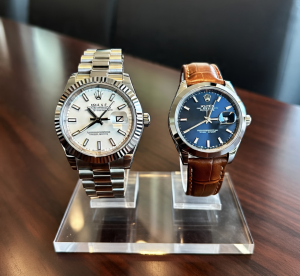
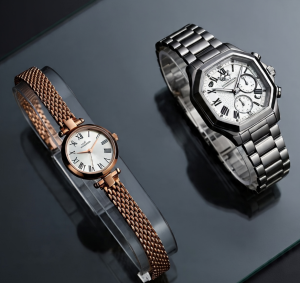
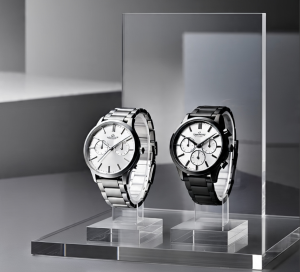
Watches have transcended their original function as timekeeping tools to become symbols of style, craftsmanship, and luxury. Over the centuries, watchmaking has evolved into a sophisticated industry with numerous brands, each with its unique identity, heritage, and technological innovations. This article explores the world of watch brands, from their history to the most recognized names in the market today.
1. A Brief History of Watchmaking
The history of watchmaking dates back to the 16th century, with early portable timepieces developed in Europe. Initially worn as pendants, these early watches were mechanical and required manual winding. The art of horology—watch and clock making—flourished in countries like Switzerland, Germany, and England.
The introduction of the quartz movement in the 1960s, pioneered by Japanese brand Seiko, revolutionized the industry. It made watches more affordable and accurate, sparking the so-called “Quartz Crisis” that challenged traditional Swiss manufacturers. Nevertheless, many mechanical watch brands survived and redefined themselves as luxury and heritage-focused.
2. Types of Watch Brands
Watch brands can generally be categorized based on their focus, price range, and movement type:
- Luxury Watch Brands: Known for exquisite craftsmanship, heritage, and prestige. These often feature mechanical movements and handcrafted details.
- Fashion Watch Brands: Created by fashion houses and often emphasize design over technical complexity.
- Tool Watch Brands: Focused on functionality for specific uses, such as diving, aviation, or military operations.
- Smartwatch Brands: Blend digital technology with traditional watch aesthetics or modern fitness tracking.
3. Top Luxury Watch Brands
Rolex
Perhaps the most iconic name in the watch industry, Rolex is synonymous with prestige and reliability. Founded in 1905, Rolex is known for innovations like the first waterproof wristwatch (the Oyster) and the first watch with an automatically changing date.
Omega
A Swiss brand with a legacy dating back to 1848, Omega gained fame for being the first watch on the Moon and the official timekeeper of the Olympic Games. Its Speedmaster and Seamaster lines are especially popular.
Patek Philippe
Founded in 1839, Patek Philippe is revered for its timeless designs, complicated movements, and limited production. It remains a favorite among collectors and royalty.
Audemars Piguet
Known for the groundbreaking Royal Oak, Audemars Piguet blends avant-garde design with elite craftsmanship. It remains one of the most respected independent Swiss watchmakers.
Tag Heuer
This brand has a strong connection with motorsports and is known for its chronograph watches. While more accessible than ultra-luxury brands, Tag Heuer still maintains high-quality Swiss manufacturing.
4. Notable Fashion and Entry-Level Brands
Fossil
An American brand offering stylish, affordable watches with both quartz and mechanical options. Fossil also manufactures watches for brands like Michael Kors and Diesel.
Daniel Wellington
A minimalist brand popular among younger audiences. Known for its clean dials and NATO straps, it emphasizes aesthetics over technical sophistication.
Casio
A Japanese brand famous for its durable and affordable digital watches, including the G-Shock line. Casio also leads in solar-powered and atomic timekeeping technologies.
5. Independent and Microbrands
In recent years, small independent watchmakers and microbrands have gained popularity for offering unique designs and good value. Brands like Nomos Glashütte, Baltic, and Christopher Ward are gaining recognition among enthusiasts for their originality and affordability.
6. How to Choose a Watch Brand
When selecting a watch brand, consider the following factors:
- Purpose: Is it for everyday use, formal occasions, diving, or fitness?
- Budget: Watch prices range from $50 to several hundred thousand dollars.
- Movement Type: Quartz, automatic, manual, or smartwatch?
- Brand Heritage: Some buyers value the story and prestige behind a brand.
- Design Aesthetic: Classic, sporty, minimalist, or bold?
7. Conclusion
Watch brands represent more than just timepieces—they embody a legacy of innovation, craftsmanship, and culture. Whether you are drawn to the luxury and precision of a Patek Philippe or the durability and value of a Casio G-Shock, there’s a brand that fits every wrist and personality. As the watch industry continues to evolve, blending tradition with modern technology, the fascination with timepieces remains timeless.