Gold Jewelry in Indonesia: A Legacy of Culture, Craftsmanship, and Elegance
Introduction
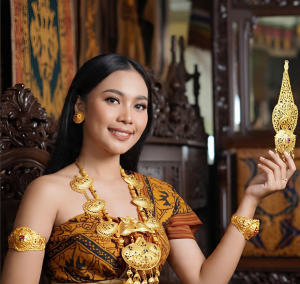
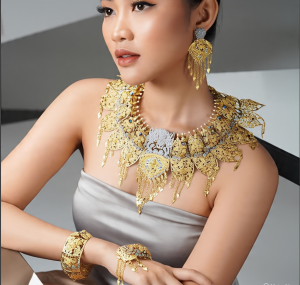
Indonesia, an archipelago of more than 17,000 islands, is rich in cultural heritage, natural resources, and artisanal craftsmanship. Among its many treasures, gold jewelry holds a special place. For centuries, gold has been more than just a symbol of wealth in Indonesia—it is deeply rooted in tradition, rituals, and identity. Indonesian gold jewelry is renowned for its intricate craftsmanship, diversity of styles, and cultural significance, which reflect the archipelago’s multifaceted heritage.
Historical Background
The history of gold in Indonesia can be traced back to prehistoric times. Archaeological discoveries have found gold artifacts in ancient burial sites, particularly in Sumatra and Java, dating as far back as the 4th century. During the Srivijaya (7th–13th centuries) and Majapahit (13th–16th centuries) kingdoms, gold was widely used for religious artifacts, royal regalia, and ceremonial jewelry.
Gold was also a major trade commodity, attracting merchants from China, India, and the Middle East. This influx of cultures influenced Indonesian gold jewelry designs, introducing elements like filigree, granulation, and repoussé techniques that are still used today.
Cultural Significance
Gold jewelry in Indonesia is not merely ornamental; it carries deep cultural and symbolic meaning. In traditional ceremonies, such as weddings, births, and religious events, gold is worn as a sign of status, protection, and prosperity. In many regions, families pass down heirloom jewelry through generations, symbolizing lineage and legacy.
Some of the most notable cultural uses include:
- Wedding Ceremonies: Traditional bridal attire, particularly in regions like Minangkabau, Bugis, and Bali, features elaborate gold adornments such as headpieces, earrings, necklaces, and bangles.
- Ritual Offerings: In Hindu-Balinese ceremonies, gold items are sometimes offered to deities as symbols of devotion and abundance.
- Status Symbol: In rural and urban communities alike, owning gold jewelry is considered a tangible investment and a sign of social standing.
Styles and Regional Variations
Indonesia’s diverse ethnic groups have led to the development of unique regional jewelry styles. Each region reflects its own identity, history, and values in the design of its gold ornaments.
1. Minangkabau (West Sumatra)
Minangkabau jewelry is known for its grandeur and symbolic richness. The Suntiang, a majestic golden headdress worn by brides, features multiple layers of intricate patterns representing fertility and nobility. Other items include large, ornate necklaces and bracelets.
2. Palembang (South Sumatra)
Palembang goldsmiths are famous for their detailed filigree work. The kelat bahu (shoulder bracelets) and cempaka necklaces are traditional pieces worn during royal or formal ceremonies.
3. Java
Javanese gold jewelry combines Hindu-Buddhist influences with Islamic artistry. Popular designs include keris pendants, batik-inspired motifs, and wayang (shadow puppet) figures. The Central Javanese court tradition continues to inspire refined and elegant jewelry designs.
4. Bali
Balinese gold jewelry features intricate detailing, often inspired by nature and spirituality. Artisans use techniques like repoussé and granulation to create earrings, necklaces, and temple ornaments. Goldsmiths in Celuk village are particularly renowned for their craftsmanship.
5. Bugis and Makassar (South Sulawesi)
These ethnic groups have a strong maritime tradition, reflected in their jewelry. Gold items such as kalung panjang (long necklaces) and subang (earrings) are integral to their traditional attire.
Craftsmanship and Techniques
Indonesian goldsmiths are master artisans, often inheriting their skills from generations past. Traditional techniques include:
- Filigree: Delicate metal threads are twisted and soldered to create lace-like patterns.
- Granulation: Tiny gold granules are applied to the surface in decorative patterns.
- Repoussé and Chasing: Thin sheets of gold are hammered from the reverse side to form raised designs.
- Lost-Wax Casting: Used to make detailed molds for complex designs.
Modern technologies have enhanced production, but many artisans still prefer traditional handcrafting to preserve authenticity.
Materials and Gold Quality
Indonesia is a gold-rich country, with active mines in Papua, North Sumatra, and West Nusa Tenggara. Gold used in jewelry is typically 18 to 24 karats. High-karat gold is favored for ceremonial pieces due to its luster and malleability.
Jewelers may also incorporate precious and semi-precious stones such as rubies, sapphires, jade, and pearls—especially in royal or bridal jewelry.
Contemporary Trends and Global Appeal
Today, Indonesian gold jewelry balances tradition and modernity. Young designers and brands are reimagining classic motifs into contemporary pieces that appeal to global markets. The fusion of traditional techniques with minimalist aesthetics is gaining popularity, especially among the younger generation.
Indonesian gold jewelry has found markets in Europe, the Middle East, and the United States. Artisans and designers frequently participate in international exhibitions, highlighting Indonesia’s rich jewelry heritage.
Economic Impact and Industry Challenges
The gold jewelry industry in Indonesia contributes significantly to local economies, especially in artisan hubs like Bali, Yogyakarta, and Sumatra. Thousands of small and medium enterprises (SMEs) are involved in design, production, and retail.
However, the industry faces several challenges:
- Competition from Mass-Produced Jewelry: Imported, lower-priced jewelry often undercuts traditional artisans.
- Raw Material Costs: Fluctuations in gold prices affect affordability and demand.
- Generational Gaps: Younger generations may be less interested in continuing traditional goldsmithing professions.
Efforts are underway to revitalize the sector through government support, training programs, and digital marketing strategies.
Conclusion
Gold jewelry in Indonesia is more than a luxury—it is a living tradition that embodies cultural values, artistic expression, and historical legacy. From the ornate bridal crowns of the Minangkabau to the intricate filigree of Balinese artisans, each piece tells a story of identity, reverence, and craftsmanship.
As the global market increasingly appreciates ethical, handcrafted, and culturally rich products, Indonesian gold jewelry stands poised to shine brighter than ever—bridging heritage with innovation.