Understanding the Roles of a Computer Security Incident Response Team (CSIRT)
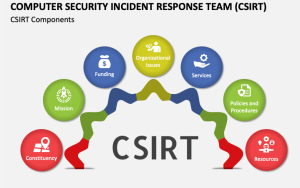
In today’s interconnected digital landscape, organizations face an ever-growing range of cybersecurity threats. From ransomware to phishing attacks and insider threats, the need for a rapid, coordinated, and effective response to security incidents has never been more critical. This is where the Computer Security Incident Response Team (CSIRT) comes in.
A CSIRT is a dedicated group within an organization responsible for detecting, analyzing, responding to, and recovering from cybersecurity incidents. The effectiveness of a CSIRT largely depends on how well-defined its structure, processes, and roles are. This article provides an in-depth exploration of the various roles within a CSIRT and how each contributes to robust incident response capabilities.
1. Overview of CSIRT
What is a CSIRT?
A Computer Security Incident Response Team (CSIRT) is a structured and organized group of professionals who handle cybersecurity incidents. They are tasked with minimizing damage, recovering services, and preventing future incidents by analyzing and responding to security breaches, malware infections, data leaks, and other types of cyber threats.
Types of CSIRTs
- Internal CSIRT – Dedicated to a single organization.
- National CSIRT – Supports government and public sector cybersecurity efforts.
- Commercial CSIRT – Offers incident response services to clients.
- Coordinating CSIRT – Coordinates efforts across multiple CSIRTs.
2. Key Roles and Responsibilities in a CSIRT
A well-functioning CSIRT includes a combination of technical, managerial, and communication-focused roles. Below are the primary roles typically found within a CSIRT, along with their core responsibilities:
2.1 CSIRT Manager / Team Leader
Role Overview:
The CSIRT Manager leads the team, ensures coordination, sets priorities, and represents the CSIRT in interactions with external parties and senior management.
Key Responsibilities:
- Define incident response policies and procedures.
- Manage and allocate CSIRT resources.
- Oversee incident handling activities.
- Report to executives and stakeholders.
- Coordinate with external organizations and law enforcement.
2.2 Incident Handler / Incident Responder
Role Overview:
Incident Handlers are frontline responders responsible for analyzing, containing, and mitigating incidents.
Key Responsibilities:
- Triage alerts and identify legitimate incidents.
- Investigate the cause and scope of incidents.
- Contain and mitigate active threats.
- Coordinate with IT and network teams to implement fixes.
- Document incident details for future analysis.
2.3 Forensic Analyst
Role Overview:
Forensic Analysts perform detailed examinations of affected systems to uncover evidence and understand how an incident occurred.
Key Responsibilities:
- Collect and preserve digital evidence.
- Analyze disk images, memory dumps, and logs.
- Determine the method of compromise.
- Provide forensic reports for legal or internal use.
- Support legal proceedings or compliance reporting if needed.
2.4 Threat Intelligence Analyst
Role Overview:
This role focuses on gathering, analyzing, and disseminating threat intelligence to inform incident response and proactive defense strategies.
Key Responsibilities:
- Monitor open-source and commercial threat feeds.
- Analyze malware and adversary tactics, techniques, and procedures (TTPs).
- Provide intelligence reports to the CSIRT.
- Correlate threat data with internal incidents.
- Develop indicators of compromise (IOCs).
2.5 Vulnerability Management Specialist
Role Overview:
This specialist identifies, assesses, and prioritizes vulnerabilities that could be exploited during cyber incidents.
Key Responsibilities:
- Perform vulnerability scans and risk assessments.
- Coordinate with system owners to remediate weaknesses.
- Track patch management activities.
- Work with incident responders to understand how vulnerabilities were exploited.
2.6 Communications Officer / Public Relations Liaison
Role Overview:
Responsible for internal and external communications during and after a security incident.
Key Responsibilities:
- Craft clear, accurate, and timely messages for stakeholders.
- Coordinate with public relations and legal teams.
- Ensure compliance with notification requirements (e.g., GDPR).
- Manage press releases and media inquiries.
- Maintain trust with clients, partners, and the public.
2.7 Legal and Compliance Advisor
Role Overview:
Provides legal counsel on data protection, incident reporting, and regulatory obligations.
Key Responsibilities:
- Ensure adherence to laws and industry regulations.
- Advise on data breach disclosure.
- Liaise with law enforcement or regulatory bodies.
- Review incident response documentation for legal risks.
2.8 System and Network Administrator (Supporting Role)
Role Overview:
While not always a direct member of the CSIRT, administrators provide essential support during incident response.
Key Responsibilities:
- Assist in isolating and restoring systems.
- Provide access to logs and configurations.
- Implement security controls post-incident.
- Coordinate on patching and hardening efforts.
3. Organizational Structure and Collaboration
A CSIRT may follow different structural models depending on the size and complexity of the organization:
- Centralized Model – A single team responsible for all incident response activities.
- Distributed Model – Multiple teams across regions or departments working in coordination.
- Hybrid Model – A central coordination body with distributed response units.
Effective collaboration with other teams such as IT, Legal, HR, and Executive Management is vital for success. Integration with a Security Operations Center (SOC), if present, can also enhance monitoring and detection capabilities.
4. Tools and Technologies Used by CSIRTs
- SIEM (Security Information and Event Management) – e.g., Splunk, QRadar
- Endpoint Detection and Response (EDR) – e.g., CrowdStrike, SentinelOne
- Threat Intelligence Platforms – e.g., MISP, Recorded Future
- Forensic Tools – e.g., EnCase, FTK, Volatility
- Communication Tools – e.g., Slack, Microsoft Teams, secure email
- Ticketing Systems – e.g., Jira, ServiceNow for incident tracking
5. Training and Continuous Improvement
CSIRT members must undergo regular training to stay updated on:
- Emerging threats and attack vectors.
- New tools and technologies.
- Legal and regulatory changes.
- Incident handling exercises (e.g., tabletop simulations, red/blue team exercises).
Many organizations also pursue certifications for their CSIRT teams such as:
- GIAC Certified Incident Handler (GCIH)
- Certified Computer Security Incident Handler (CSIH)
- Certified Information Systems Security Professional (CISSP)
6. Conclusion
The success of a Computer Security Incident Response Team hinges on the clear definition of roles, responsibilities, and workflows. Each role plays a critical part in ensuring that cybersecurity incidents are managed efficiently and effectively. As cyber threats evolve, so too must the skills and capabilities of CSIRTs. Organizations that invest in a well-structured CSIRT are far better positioned to defend against, respond to, and recover from security incidents, safeguarding their assets, reputation, and customer trust.