Gold Jewelry Shining So Bright: A Symbol of Timeless Elegance
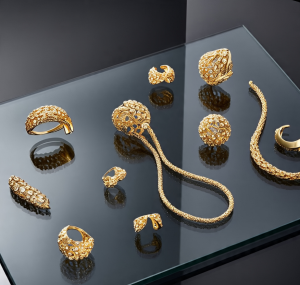
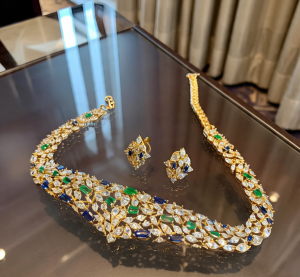
Gold jewelry has captivated human civilization for thousands of years. Its luminous brilliance, enduring value, and symbolic power make it one of the most treasured materials in the world. From ancient pharaohs to modern fashion icons, gold jewelry has continued to shine bright across cultures and generations. This article delves into the reasons why gold jewelry remains a dazzling expression of beauty, wealth, and identity.
The Allure of Gold: A Natural Wonder
Gold is a precious metal known for its radiant yellow luster, resistance to tarnish, and malleability. These properties make it an ideal material for crafting intricate jewelry. Unlike other metals, gold does not corrode or rust, allowing pieces to retain their shine for centuries.
Gold’s visual brilliance is unmatched. Its rich, warm tone complements all skin tones, making it a universally flattering accessory. Whether polished to a high shine or paired with gemstones, gold jewelry commands attention with its elegant glow.
History and Cultural Significance
Gold has been used in jewelry since ancient times. Civilizations like the Egyptians, Greeks, Romans, and Chinese regarded gold as a sacred and powerful metal. In ancient Egypt, gold symbolized the eternal and divine. Pharaohs were buried with gold amulets and masks to ensure their journey to the afterlife. In India, gold has long represented purity, prosperity, and divine blessings.
Throughout history, gold jewelry has also served as a symbol of social status and wealth. Royalty and nobility wore elaborate gold pieces as a display of power. Even today, gold is often associated with prestige and financial security.
Types of Gold Jewelry
Gold jewelry comes in many forms, each with its own style and appeal. Here are some popular types:
- Gold Necklaces: Ranging from delicate chains to bold statement pieces, gold necklaces are a staple in many wardrobes. They can be worn alone or layered for a more modern look.
- Gold Rings: From wedding bands to fashion rings, gold rings are both sentimental and stylish. They are often set with diamonds or other precious stones.
- Gold Earrings: Whether hoops, studs, or drop earrings, gold earrings frame the face beautifully and add a touch of shine to any outfit.
- Gold Bracelets and Bangles: These wrist adornments vary from simple chains to heavily embellished designs. In many cultures, gold bangles are worn as symbols of marital status and femininity.
- Gold Anklets and Body Jewelry: Especially popular in South Asia and the Middle East, gold body jewelry adds a luxurious touch to traditional attire.
Gold Purity and Types
The purity of gold is measured in karats. Pure gold is 24 karats, but because it is soft, it is often mixed with other metals to improve durability.
- 24K Gold: 99.9% pure, very soft, rich in color, used mostly in investment-grade jewelry or in cultural settings.
- 22K Gold: 91.6% pure, commonly used in Asian and Middle Eastern jewelry.
- 18K Gold: 75% pure, balanced between durability and purity, popular for luxury jewelry.
- 14K and 10K Gold: More durable and affordable, often used in Western markets.
Gold also comes in different colors:
- Yellow Gold: Classic and traditional.
- White Gold: Mixed with palladium or nickel, with a silvery look.
- Rose Gold: Mixed with copper, giving a warm pink hue.
- Green Gold: An alloy with silver and cadmium, rarely used but unique.
Craftsmanship and Design
The art of goldsmithing is centuries old and involves a range of techniques from hand engraving and filigree to modern 3D printing. Master goldsmiths craft each piece with precision, often incorporating cultural motifs, religious symbols, or contemporary aesthetics.
In regions like Italy, India, and the Middle East, gold jewelry design has reached artistic excellence. Italian gold is renowned for its refined, minimalist elegance, while Indian gold is often intricate and grand, especially for weddings.
Gold in Celebrations and Traditions
Gold jewelry plays a vital role in life’s major milestones. It is a common gift during weddings, anniversaries, and religious holidays. In many cultures:
- Weddings: Brides are adorned with gold jewelry, symbolizing wealth, beauty, and blessings.
- Births: Newborns are often gifted small gold items to ensure good fortune.
- Festivals: Gold purchases peak during events like Diwali (India), Eid (Middle East), and Chinese New Year.
These traditions reinforce gold’s role not just as an accessory, but as a bearer of family heritage and emotion.
Gold Jewelry in Modern Fashion
Today, gold jewelry has transcended traditional boundaries and evolved with fashion trends. Designers blend old-world charm with minimalist modernity. Layered gold chains, geometric shapes, and mixed metal pieces are now common in everyday wear.
Gold jewelry is no longer reserved for special occasions. With the rise of demi-fine and high-end costume jewelry, people of all ages and backgrounds are embracing the beauty of gold in their daily outfits.
Caring for Gold Jewelry
To keep gold jewelry shining bright, proper care is essential:
- Store in a soft cloth or jewelry box to prevent scratches.
- Avoid exposure to harsh chemicals like chlorine or bleach.
- Clean regularly using warm soapy water and a soft brush.
- Have it professionally polished for a renewed shine.
The Lasting Value of Gold
Gold jewelry is not just beautiful—it is a wise investment. Gold maintains its value over time and can be passed down through generations. In uncertain economic times, gold is seen as a safe asset.
This combination of emotional and financial value makes gold jewelry uniquely precious.
Conclusion
Gold jewelry truly shines bright—both literally and symbolically. It is a blend of art, history, emotion, and wealth. Whether worn for beauty, tradition, or investment, gold remains a timeless treasure. As fashion evolves and cultures intersect, gold jewelry continues to gleam, carrying stories of the past while illuminating the present.