Pearl Necklaces in 2025: A Comprehensive Look at the Reinvention of a Timeless Classic
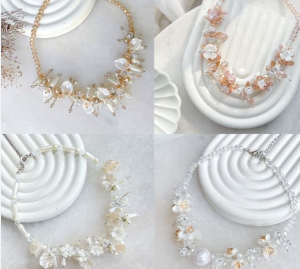
In 2025, the fashion world continues to witness a powerful resurgence of pearl necklaces—a timeless accessory that has long been associated with elegance, luxury, and feminine grace. However, this year marks a distinct evolution. Pearl necklaces are no longer confined to traditional aesthetics or exclusive formal wear. Instead, they have been reimagined through modern lenses that incorporate sustainability, gender neutrality, innovative designs, and cultural diversity.
This article explores the many dimensions of pearl necklaces in 2025: from their historical legacy to modern trends, technological advancements in pearl cultivation, and their broader significance in contemporary fashion.
1. Historical Significance and Enduring Symbolism
Pearls have held cultural and symbolic importance for thousands of years. From ancient Chinese dynasties and Roman aristocracy to the opulent courts of Renaissance Europe, pearl jewelry has long been regarded as a sign of wealth, purity, and wisdom. The pearl necklace, in particular, became iconic in the 20th century—immortalized by style icons such as Coco Chanel, Audrey Hepburn, and Princess Diana.
Despite fluctuating trends, pearl necklaces have retained a timeless appeal. What has changed in 2025, however, is how they are interpreted by designers, consumers, and global culture.
2. Design Innovations and Aesthetic Trends
In 2025, designers are redefining pearl necklaces with a fresh sense of creativity and freedom. Noteworthy trends include:
a. Asymmetry and Irregularity
Baroque pearls—those with imperfect, organic shapes—are dominating fashion runways. These irregular pearls add a unique and contemporary character to jewelry, celebrating natural beauty over engineered perfection.
b. Mixed Materials
Designers are integrating pearls with materials such as leather, resin, recycled metals, and colored stones. This fusion creates striking contrasts and caters to both minimalist and avant-garde fashion sensibilities.
c. Layering and Statement Pieces
Instead of the traditional single-strand necklace, layered pearl chokers and long cascading designs are gaining popularity. Chunky statement necklaces with oversized pearls are also making bold appearances, often styled with tailored suits or high-collar streetwear.
d. Customization and Personalization
2025 sees a rise in personalized pearl pieces—engraved clasps, initials, birthstones, or custom-designed arrangements. Consumers value emotional connections to their jewelry, and personalized pearl necklaces are becoming heirloom-quality investments.
3. Sustainability and Ethical Pearl Farming
The pearl industry has faced scrutiny over environmental and ethical concerns, especially around overharvesting and marine ecosystem disruption. However, in 2025, eco-conscious innovation is leading the way:
a. Sustainable Aquaculture
Pearls are now primarily sourced from sustainable farms in regions such as Japan (Akoya pearls), Australia (South Sea pearls), and French Polynesia (Tahitian pearls). These farms implement practices that support biodiversity, use clean water systems, and minimize ecological disruption.
b. Traceability and Transparency
Leading jewelry brands are adopting blockchain technology and digital certification to provide transparency in sourcing. Consumers can now trace the origin of a pearl—from the mollusk to the final product.
c. Upcycled and Vintage Pearls
Vintage pearl necklaces are being repurposed or redesigned into modern pieces, reducing waste and adding historical depth to the jewelry. Many brands encourage customers to restore family heirlooms rather than purchase new ones.
4. Gender Fluidity and Cultural Shifts
One of the most notable developments in 2025 is the increasing popularity of pearl necklaces across gender identities.
a. Pearls in Menswear
Male celebrities such as Harry Styles, Timothée Chalamet, and BTS have played major roles in mainstreaming pearls for men. In 2025, pearl necklaces are regularly featured in menswear collections, worn casually or formally—paired with T-shirts, blazers, or layered with chains.
b. Non-Binary and Gender-Neutral Design
Designers are creating gender-neutral pearl necklaces that avoid traditional styling cues. These pieces focus on form, texture, and symbolic meaning, appealing to wearers regardless of gender.
c. Cultural Representation
Pearls are also appearing in diverse cultural contexts—from Afro-Caribbean traditions to East Asian ceremonial wear—showcasing the global nature of their appeal. Modern designers are blending traditional symbolism with current aesthetics to celebrate cultural heritage.
5. The Role of Digital Media and Technology
Technology and social media play a significant role in shaping the pearl necklace renaissance.
a. Influencer Culture
TikTok, Instagram, and Pinterest have popularized “pearl-core” fashion, where users showcase styling tips using pearls in everyday wear. Influencers have normalized mixing pearls with hoodies, denim, and sneakers—breaking away from the formal stereotypes.
b. Virtual Try-Ons and AR Shopping
Brands now offer augmented reality (AR) tools that let users try on pearl necklaces virtually. This tech-forward approach, paired with online customization, has made luxury jewelry more accessible and engaging.
c. 3D Printing and Design Prototyping
Some jewelers are experimenting with 3D-printed components combined with real pearls, leading to futuristic and geometric designs that are entirely new to the market.
6. Investment Value and Luxury Market Trends
Pearl necklaces are regaining recognition as valuable long-term investments. Unlike costume jewelry, high-quality cultured pearls—especially natural South Sea and Tahitian varieties—retain or even increase in value over time. In 2025:
- Auction houses report rising demand for antique and designer pearl necklaces.
- Limited-edition collections by luxury brands like Mikimoto, Tiffany & Co., and Cartier attract elite buyers.
- Young consumers, including millennials and Gen Z, are showing interest in “quiet luxury” pieces—subtle, refined, and meaningful investments like pearls.
Conclusion: The Rebirth of a Timeless Icon
In 2025, the pearl necklace stands at the crossroads of tradition and transformation. It carries with it centuries of cultural significance while embracing new expressions of identity, sustainability, and artistry. No longer confined to formal occasions or gender roles, the pearl necklace has become a versatile, symbolic, and inclusive accessory for the modern era.
As fashion continues to evolve, one thing is certain: pearls will remain a shining example of timeless beauty redefined for every generation.