The World of Luxurious Watches: A Timeless Symbol of Prestige and Precision
Introduction
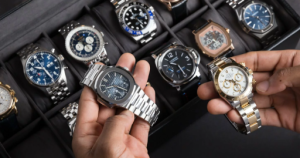
Luxury watches are more than just time-telling instruments—they are expressions of craftsmanship, heritage, innovation, and status. From royal courts of the past to the wrists of modern-day moguls and connoisseurs, luxurious timepieces continue to captivate and define timeless elegance. This article explores the intricate world of luxury watches, examining their evolution, components, leading brands, and why they remain relevant in a digital era.
1. History and Evolution
Early Origins
- The origins of horology date back to ancient civilizations using sundials and water clocks.
- The first mechanical clocks emerged in 13th-century Europe, evolving into portable pocket watches by the 16th century.
- Wristwatches gained prominence in the 20th century, particularly during World War I, when practicality and convenience became crucial.
Rise of the Luxury Watch
- By the mid-20th century, Swiss manufacturers like Patek Philippe, Rolex, and Audemars Piguet had established themselves as purveyors of finely crafted watches.
- The quartz crisis of the 1970s, caused by the rise of affordable battery-powered watches, initially disrupted the industry—but also forced luxury brands to reinvent themselves, emphasizing exclusivity, mechanical complexity, and artisanal value.
2. What Defines a Luxury Watch?
Craftsmanship
- Luxury watches are often handmade or meticulously assembled with precision, involving hundreds of tiny components.
- High-end watchmakers invest months—sometimes years—into crafting each piece.
Materials
- Common materials include 18k gold, platinum, titanium, high-grade stainless steel, and even exotic materials like meteorite or ceramic.
- Sapphire crystal is often used for scratch-resistant watch faces.
Movement
- Mechanical (manual or automatic) movements are the hallmark of true luxury watches.
- These movements showcase intricate engineering, often visible through transparent case backs.
Exclusivity
- Limited production, bespoke editions, and unique complications enhance desirability and value.
Heritage and Brand Legacy
- Brands with storied histories and associations with royalty, explorers, or cultural icons tend to carry premium appeal.
3. Leading Luxury Watch Brands
Rolex
- Arguably the most recognizable luxury watch brand worldwide.
- Known for its durability, precision, and iconic models like the Submariner, Daytona, and Datejust.
Patek Philippe
- Synonymous with heritage and complexity.
- Renowned for grand complications and timeless designs.
Audemars Piguet
- Best known for the Royal Oak, the first luxury sports watch with a steel case.
- Combines bold design with high horological innovation.
Vacheron Constantin
- One of the oldest manufacturers (est. 1755).
- Known for elegant, highly detailed timepieces and artistic movements.
Richard Mille
- A modern icon, known for futuristic designs, lightweight materials, and high price tags.
- Frequently seen on athletes and celebrities.
Other notable brands: Jaeger-LeCoultre, Omega, A. Lange & Söhne, Breguet, Hublot, Cartier, Panerai.
4. Key Complications in Luxury Watches
Complications are features beyond simple timekeeping:
- Tourbillon – Counteracts gravity for improved accuracy.
- Chronograph – Stopwatch functionality.
- Perpetual Calendar – Automatically adjusts for months and leap years.
- Minute Repeater – Chimes the time audibly.
- Moon Phase – Displays lunar cycles.
- GMT/Dual Time – Shows multiple time zones.
Each complication adds complexity, cost, and prestige.
5. Collecting and Investing in Luxury Watches
Collectors’ Appeal
- Many collectors value vintage or limited-edition models for their rarity and history.
- Auction houses like Sotheby’s and Christie’s regularly see record-breaking sales.
Investment Potential
- Some watches appreciate significantly over time (e.g., Rolex Daytona “Paul Newman” or Patek Philippe Nautilus).
- Market trends fluctuate, but certain pieces remain blue-chip collectibles.
Authentication and Provenance
- Due diligence is crucial. Original box, papers, and service history enhance value and legitimacy.
6. Modern Trends and Innovations
Sustainability
- Ethical sourcing, recycled materials, and transparent manufacturing processes are becoming more important.
Smart-Luxury Hybrids
- Brands like TAG Heuer and Montblanc explore the smart/luxury crossover.
Customization and Bespoke Services
- Clients increasingly seek personalized dials, engravings, and straps.
Celebrity Endorsements and Pop Culture
- Collaborations with artists and athletes (e.g., Pharrell Williams x Richard Mille) drive new audience engagement.
7. The Luxury Watch Experience
Owning a luxury watch is as much about the experience as the product:
- Boutique Environment – Many brands offer immersive, private showrooms.
- After-Sales Service – Long-term care, refurbishment, and servicing are part of the ownership journey.
- Emotional Connection – Many view watches as heirlooms, milestones, or symbols of achievement.
Conclusion
Luxurious watches continue to enchant the world with their fusion of artistry, tradition, and innovation. While smart devices may dominate utility, mechanical watches endure as cultural artifacts—testaments to human ingenuity and timeless elegance. Whether for passion, prestige, or investment, a luxury timepiece is more than a watch; it is a story on your wrist.