The World of Gold Jewelry Designers: Artistry, Craftsmanship, and Innovation
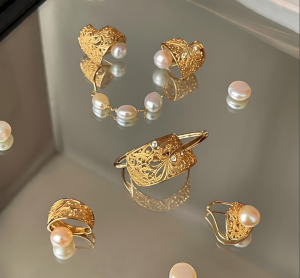
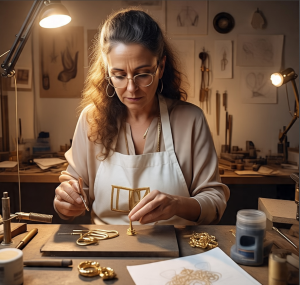
Gold jewelry has adorned the human body for thousands of years, symbolizing wealth, status, culture, and sentiment. At the heart of these intricate creations lie the gold jewelry designers—artists who blend creativity with technical mastery to shape precious metal into wearable beauty. This article delves deeply into the world of gold jewelry designers, exploring their history, techniques, styles, and impact on fashion and culture.
A Brief History of Gold Jewelry Design
Gold has been valued since ancient civilizations like Egypt, Mesopotamia, and the Indus Valley. Early goldsmiths crafted elaborate necklaces, rings, and amulets using rudimentary tools and techniques such as hammering, casting, and engraving. In Ancient Egypt, gold jewelry signified divine status, while in Ancient Rome, it was a display of social power.
During the Renaissance, jewelry became more elaborate, incorporating gemstones and detailed enameling. The Industrial Revolution introduced mechanization, allowing for mass production—but it was the 20th century that brought the rise of the individual designer as a creative force.
The Role of a Gold Jewelry Designer
Gold jewelry designers are both artists and technicians. Their job is not merely to create something beautiful, but also to understand the practical aspects of wearability, durability, and ergonomics. Key responsibilities include:
- Conceptualization: Sketching or digitally rendering designs based on inspiration, trends, or client requests.
- Material Selection: Choosing the type of gold (yellow, white, rose, green, or black gold) and combining it with gemstones or other materials.
- Prototype Creation: Building physical or digital models to assess form, balance, and structure.
- Collaboration with Goldsmiths: Working alongside craftsmen who bring the designs to life using techniques like soldering, casting, engraving, and stone setting.
Tools and Techniques
Designers today use both traditional handcrafting methods and modern digital tools:
Traditional Techniques:
- Lost-wax casting: An ancient method where a wax model is covered in plaster and melted away to form a mold.
- Filigree: A delicate metalwork technique involving twisted threads of gold.
- Granulation: Fusing tiny gold beads to the surface to create intricate patterns.
- Repoussé and Chasing: Shaping the metal by hammering from the back and front.
Modern Tools:
- CAD (Computer-Aided Design): Allows precise, detailed 3D modeling of jewelry.
- 3D Printing: Often used to create wax models for casting.
- Laser Engraving: Offers extreme precision for patterns, textures, or personalization.
Gold Types and Alloys
Pure gold (24k) is soft, so it is often alloyed with other metals for strength and color:
- Yellow Gold: Mixed with silver and copper.
- White Gold: Mixed with palladium, nickel, or zinc, often plated with rhodium.
- Rose Gold: Contains a higher amount of copper.
- Green Gold: An alloy with silver and cadmium.
- Black Gold: Created by surface treatments like oxidation or plating.
Iconic Styles in Gold Jewelry Design
Gold jewelry designers often work within or across a variety of stylistic themes:
- Art Deco: Geometric, symmetrical designs with bold colors.
- Victorian: Romantic motifs like hearts, flowers, and cameos.
- Bohemian: Organic, eclectic styles with a handcrafted feel.
- Minimalist: Sleek, clean lines emphasizing form over embellishment.
- Cultural and Tribal: Designs inspired by indigenous or traditional symbols.
Renowned Gold Jewelry Designers
Some of the most influential names in gold jewelry design include:
- Cartier (France): Known for pioneering luxury and innovation in gold settings.
- Bulgari (Italy): Famous for bold, colorful gold jewelry with Mediterranean flair.
- Elsa Peretti (Tiffany & Co.): Revolutionized modern jewelry with fluid, sensual designs in gold.
- David Yurman (USA): Blends classical motifs with sculptural gold forms.
- Buccellati (Italy): Masters of texture, engraving, and baroque detailing.
Emerging designers like Anita Ko, Jacquie Aiche, and Fernando Jorge continue to innovate by blending old-world craftsmanship with contemporary aesthetics.
Trends and Innovation
The world of gold jewelry is constantly evolving. Notable trends include:
- Sustainable and Ethical Sourcing: Designers are increasingly using recycled gold and conflict-free gemstones.
- Customization and Personalization: More clients seek one-of-a-kind pieces that tell their personal story.
- Gender-Neutral Jewelry: Breaking traditional norms with designs that appeal across gender identities.
- Smart Jewelry: Integrating technology for health tracking or connectivity.
- Mixing Metals: Combining gold with platinum, silver, or titanium for bold contrast.
The Future of Gold Jewelry Design
As digital tools advance and sustainability becomes paramount, the future of gold jewelry design lies in a fusion of tradition and technology. Designers are not only artists but storytellers, engineers, and ethical thinkers. Gold will remain timeless—but the ways it is shaped and shared will continue to evolve, driven by the vision of the next generation of designers.