Gold Jewelry That Doesn’t Tarnish: Everything You Need to Know
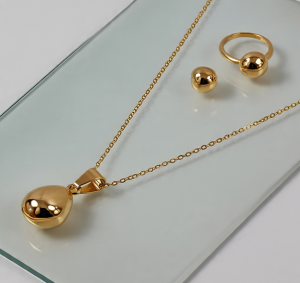
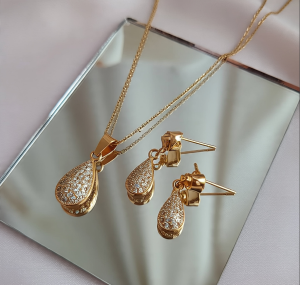
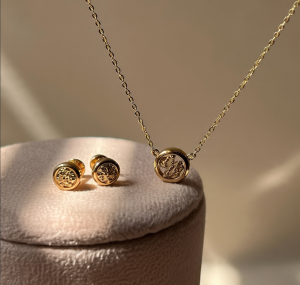
Gold jewelry has long been cherished for its timeless beauty, lasting value, and cultural significance. However, not all gold jewelry maintains its luster over time. One of the most common concerns among buyers is whether gold jewelry will tarnish—lose its shine, develop discoloration, or even corrode. The good news is that certain types of gold jewelry are specifically made to resist tarnishing. In this article, we will explore why some gold jewelry tarnishes, how to identify gold that doesn’t tarnish, and how to maintain its brilliance for years to come.
Understanding Tarnish: What Is It?
Tarnish is a chemical reaction that occurs when metals are exposed to air, moisture, or certain substances such as sulfur or acids. This reaction creates a dull, dark layer on the surface of the metal.
While pure gold (24-karat) does not tarnish, it is often too soft for everyday wear. That’s why gold is commonly alloyed with other metals to enhance durability. These alloys—such as silver, copper, zinc, or nickel—can be prone to tarnishing, depending on their composition.
What Types of Gold Jewelry Don’t Tarnish?
1. 24K Gold (Pure Gold)
- Tarnish Resistance: ✅ Excellent
- Durability: ❌ Poor (very soft)
- Color: Deep yellow
- Best For: Investment, heirloom pieces, occasional wear
Because it contains no other metals, 24K gold does not tarnish. However, due to its softness, it is not practical for everyday jewelry like rings or bracelets.
2. High-Karat Gold (18K, 22K)
- Tarnish Resistance: ✅ Very Good
- Durability: ✅ Good
- Color: Rich yellow
- Best For: High-end jewelry, wedding bands, luxury pieces
18K gold contains 75% pure gold and 25% alloy, while 22K gold has about 91.6% gold. These blends are still highly resistant to tarnishing, with enough strength for regular use.
3. Gold-Filled Jewelry
- Tarnish Resistance: ✅ Good
- Durability: ✅ Good
- Color: Varies (similar to solid gold)
- Best For: Affordable yet durable everyday wear
Gold-filled jewelry has a thick layer of gold mechanically bonded to a base metal (usually brass). With proper care, it can last decades without tarnishing.
4. Gold Vermeil (Over Sterling Silver)
- Tarnish Resistance: ⚠️ Moderate
- Durability: ⚠️ Moderate
- Color: Gold-tone
- Best For: Fashion jewelry
Gold vermeil uses a layer of gold over sterling silver. While the gold layer resists tarnishing, the silver underneath can cause tarnish over time if the layer wears off.
5. Gold-Plated Jewelry
- Tarnish Resistance: ❌ Low
- Durability: ❌ Low
- Color: Gold-tone
- Best For: Temporary or occasional wear
Gold-plated pieces have a very thin gold coating, making them prone to tarnishing once the layer erodes, especially with exposure to sweat, perfume, or water.
Factors That Contribute to Tarnishing
Even high-quality gold jewelry can tarnish under certain conditions. Contributing factors include:
- Humidity and moisture
- Contact with lotions, perfumes, or household chemicals
- Sweat and body oils
- Poor storage (exposure to air or humidity)
How to Prevent Tarnishing
If you own gold jewelry that is prone to tarnish (like gold-plated or vermeil), follow these care tips:
- Store properly: Use airtight bags or anti-tarnish cloth pouches.
- Keep dry: Remove jewelry before bathing or swimming.
- Clean gently: Use mild soap and a soft cloth. Avoid abrasive materials.
- Avoid exposure: Don’t apply lotions, perfumes, or hair products while wearing jewelry.
Best Gold Options for Tarnish-Free Jewelry
When shopping for gold jewelry that truly resists tarnish, look for:
| Type | Tarnish Resistance | Durability | Price Range |
|---|---|---|---|
| 24K Gold | Excellent | Low | $$$$ |
| 22K or 18K Gold | Very Good | High | $$$ |
| Gold-Filled | Good | High | $$ |
| Gold Vermeil | Moderate | Moderate | $$ |
| Gold-Plated | Poor | Low | $ |
Final Thoughts
If you’re looking for gold jewelry that doesn’t tarnish, the best choices are 24K, 22K, or 18K solid gold, or gold-filled pieces for a more affordable alternative. Avoid gold-plated options if long-term shine is a priority. Always consider not just the appearance but the composition and quality of the gold to ensure you invest in jewelry that retains its beauty for years.
FAQs
Q: Does 14K gold tarnish?
A: Yes, 14K gold can tarnish slightly over time due to its higher alloy content, but it is still more durable and tarnish-resistant than plated jewelry.
Q: Can I wear gold jewelry in the shower?
A: Solid gold (18K–24K) can typically withstand occasional exposure, but to preserve its shine and avoid build-up, it’s best to remove all jewelry before showering.
Q: What’s the difference between gold-filled and gold-plated?
A: Gold-filled has a much thicker layer of gold than gold-plated jewelry, making it far more durable and tarnish-resistant.