A Comprehensive Guide to Gold Jewelry Stores
Introduction
Gold jewelry stores have long been cherished establishments, offering more than just ornamental pieces — they provide timeless value, cultural heritage, and personal expression. As both a luxury and an investment, gold continues to be a preferred metal in the global jewelry market. This article provides a thorough insight into gold jewelry stores, exploring their history, product offerings, business strategies, and evolving role in modern society.
1. The History of Gold Jewelry
Gold has fascinated civilizations for millennia. From the Pharaohs of Ancient Egypt to the royalty of Europe, gold jewelry has symbolized power, wealth, and divinity.
Key Historical Points:
- Ancient Egypt: Used gold for decorative and religious purposes.
- India: Gold has been integral to marriage ceremonies and festivals for centuries.
- Roman Empire: Emperors wore intricate gold rings and necklaces as status symbols.
- Modern Era: Gold jewelry evolved into a fashion and investment commodity.
2. Types of Gold Jewelry
Gold jewelry comes in various forms, each serving different aesthetic and functional purposes.
A. By Gold Purity:
- 24K Gold: Pure gold (99.9%), soft and bright yellow, often used for investment.
- 22K Gold: 91.6% gold, suitable for traditional jewelry with durability.
- 18K Gold: 75% gold, commonly used in fine jewelry, often alloyed with other metals.
- 14K & 10K Gold: Lower gold content, more affordable and durable.
B. By Color:
- Yellow Gold: Classic gold color, alloyed with copper and silver.
- White Gold: Mixed with palladium or nickel, coated with rhodium for shine.
- Rose Gold: Alloyed with a high percentage of copper, giving it a pink hue.
- Green Gold: Contains silver, producing a greenish tint.
C. Popular Jewelry Types:
- Necklaces and Pendants
- Rings (including engagement and wedding rings)
- Bracelets and Bangles
- Earrings
- Anklets and Nose Rings (popular in South Asian markets)
3. Inside a Gold Jewelry Store
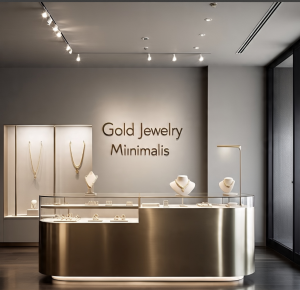
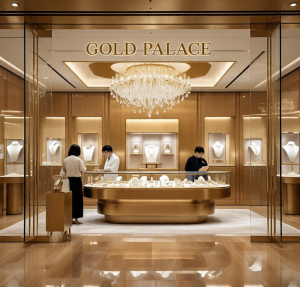
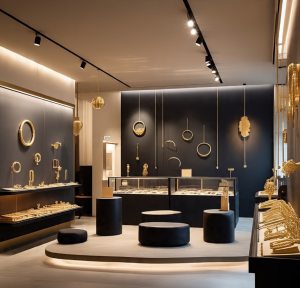
A gold jewelry store is not just a retail outlet; it is a carefully curated space designed to provide a premium shopping experience.
Key Elements:
- Showroom Design: Elegant, secure, and inviting layout with well-lit display cases.
- Product Display: Organized by category, karat, and design themes.
- Customer Service: Knowledgeable staff providing personalized assistance and product education.
- Security Measures: CCTV surveillance, alarm systems, reinforced glass, and sometimes on-site security guards.
4. Business Operations and Management
Running a gold jewelry store requires strategic planning, financial acumen, and a keen eye for design and market trends.
Operational Aspects:
- Inventory Management: Balancing stock levels and design variety.
- Sourcing and Manufacturing: In-house production or outsourcing to artisans and suppliers.
- Pricing Strategy: Based on gold rates, labor, and craftsmanship.
- Certifications and Hallmarks: Ensuring authenticity and purity (e.g., BIS Hallmark, GIA-certified gemstones).
5. Marketing and Customer Engagement
To thrive in a competitive market, gold jewelry stores must adopt both traditional and digital marketing strategies.
Traditional Marketing:
- TV, Radio, and Print Ads
- Billboards and In-store Promotions
- Sponsoring Cultural Events and Weddings
Digital Marketing:
- Social Media Campaigns (Instagram, Facebook, TikTok)
- Online Storefronts and E-commerce Integration
- Email Newsletters and Customer Loyalty Programs
- Influencer Collaborations and Live Jewelry Showcases
6. Cultural and Emotional Significance
Gold jewelry holds deep emotional and cultural value around the world.
- In Asia: Essential in weddings, symbolizing prosperity and marital commitment.
- In the Middle East: Gold is often given as a dowry or family heirloom.
- In the West: Fashion-oriented, symbolizing love (e.g., gold engagement rings).
- Global: Gold jewelry is often associated with milestones such as birthdays, anniversaries, and achievements.
7. Challenges in the Gold Jewelry Industry
Gold jewelry stores face a range of challenges in today’s economy.
Key Challenges:
- Price Volatility: Gold prices fluctuate based on global economic factors.
- Counterfeit Products: Ensuring customer trust through certification and quality checks.
- Changing Consumer Behavior: Shift toward minimalist designs and ethical sourcing.
- Competition: From both physical stores and online marketplaces.
8. Future Trends in the Gold Jewelry Industry
As technology and consumer preferences evolve, so does the gold jewelry industry.
Emerging Trends:
- Smart Jewelry: Integration of technology like fitness tracking or contactless payment.
- Custom and Personalized Designs: Growing demand for bespoke jewelry.
- Sustainability and Ethical Sourcing: Eco-friendly practices and fair-trade gold.
- Virtual Try-On Technologies: Augmented Reality (AR) enhancing the online shopping experience.
- Gold as Investment Jewelry: Combining fashion with financial security.
Conclusion
Gold jewelry stores are more than just retail businesses; they are custodians of tradition, beauty, and value. As they adapt to modern technology and changing consumer needs, their legacy of elegance and craftsmanship continues to shine. Whether for personal adornment, gifting, or investment, gold jewelry remains a cherished part of human culture and commerce.